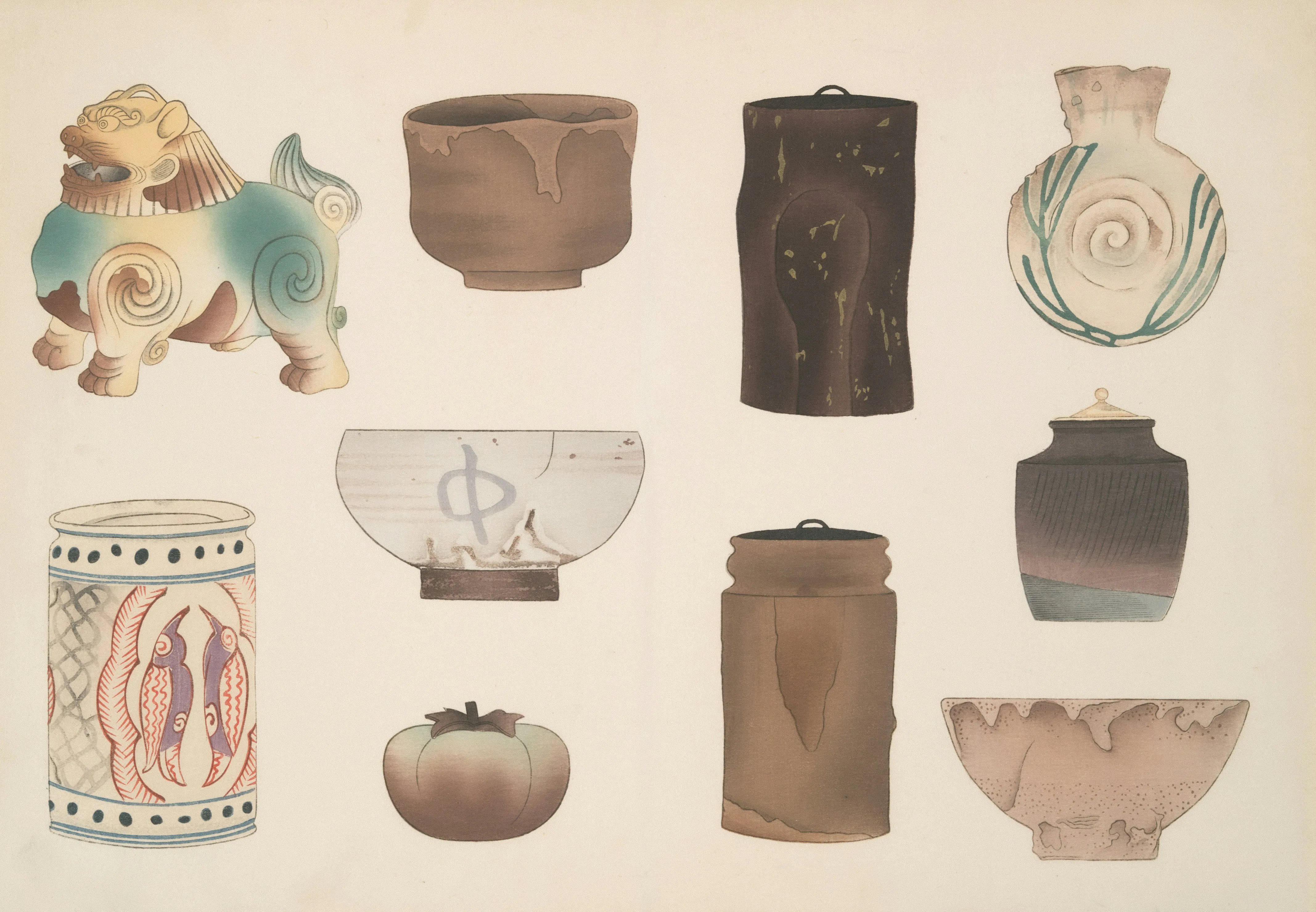


Introducing Togra — Project Planning Built on the Ullav Platform
Most planning tools have quietly shifted humans to the sidelines. Togra takes a different view — your team runs the projects, automation is there to help them do it better.
End-to-End Culture Management Platform
From digitising ancient manuscripts to tracing provenance across centuries and supporting collaborative research teams — ULLAV combines a purpose-built platform with deep sector expertise to support the work that matters most.
What we do
Cultural institutions manage irreplaceable material under real constraints. Every project has its own requirements — ULLAV is built to handle all of them.
Digitise fragile written heritage and make it searchable and accessible to scholars worldwide, with full metadata, OCR, and IIIF-compliant delivery.
Document artefacts as they emerge from the ground — photographs, measurements, find context, and research notes — with provenance linked from day one.
Track the complete ownership and exhibition history of every object, with audit trails that satisfy regulatory, ethical, and insurance requirements.
Give research teams a shared workspace to consolidate sources, documents, and findings — so everyone works from the same evidence base and nothing gets lost across inboxes and hard drives.
Share collection data, research findings, and digital assets with partner institutions — without surrendering ownership, access control, or data sovereignty.
Build modern, searchable digital presences that let the public explore your collections from anywhere — widening access without compromising security.
The Platform
Every ULLAV product is built on the same core — sharing authentication, deployment infrastructure, and integration patterns without extra wiring.
Core Platform
User management, SSO, RBAC, Kubernetes-native deployment, and API management
Platform Services
Comad (Digital Asset Manager) and Obair (Workflow Engine)
Products
Clann, Togra and Cartlann — purpose-built on the same infrastructure
Why ULLAV
A general IT consultancy has delivery capability but no platform and no sector knowledge. A heritage software vendor has a platform but no bespoke delivery. No competitor brings all three.
The ULLAV End-to-End Culture Management Platform provides DAM, workflow, and collections management as shared services — so every project, institution, and vertical builds on the same proven infrastructure. Cross-institution resource sharing is built in from the start, not bolted on later.
Cultural institutions have governance structures, funding models, standards obligations, and data sovereignty requirements that general-purpose vendors simply do not understand. ULLAV is built by people who have spent decades working inside cultural technology — including direct experience with the incumbent systems the sector currently relies on.
We build fast, integrate deeply, and deliver bespoke solutions on top of the platform — digitisation programmes, data migrations, custom integrations, public-facing portals. Modern engineering applied to cultural sector complexity, without the timelines and costs of traditional enterprise vendors.
Research Tools
Research projects in cultural heritage and history involve many people, many institutions, and years of accumulated material. The challenge is rarely a shortage of sources — it's keeping everyone working from the same evidence base.
ULLAV gives research teams the structure to consolidate what they know, coordinate what they're doing, and share what they find — without losing anything to fragmented tools or siloed inboxes.
Teams can work together on research projects in a single, structured environment — assigning tasks, tracking progress, and keeping everyone aligned without relying on email threads or shared drives.
Bring together primary sources, reference documents, field notes, and supporting materials in one place. Every piece of evidence is linked to the project it belongs to, searchable, and accessible to the whole team.
Share research findings and assets with partner institutions — without surrendering ownership, access control, or data sovereignty. Collaborate across organisations while keeping your data where it belongs.
Track how research develops over time. Every document update, annotation, and decision is recorded — giving teams a clear record of what was known when, and supporting rigorous, reproducible research practice.
Working with us
Digitisation programmes · Collection system migrations · Public access portals · Cross-institution data sharing · Provenance research platforms · Custom workflow and integration development
If you have a project in the cultural sector and need technology that actually fits — get in touch.
We start by understanding your institution — its collections, workflows, obligations, and the outcomes that matter. No assumptions, no off-the-shelf answers.
We design a solution that fits your reality: your team, your standards requirements, your deployment environment, and your budget.
We build and implement with minimal disruption to your operations — connecting to existing systems where needed and migrating data safely.
We stay with you after go-live. As your institution grows and its requirements evolve, your technology evolves with it.
The platform in practice
Clann and Comad are production applications running on the same platform we deploy for institutional clients — proof that the infrastructure works at scale.
Ancestry & Genealogy
A graph-native family history platform with census record integration, collaborative research tools, and a built-in media library. Built on ULLAV's shared DAM and workflow infrastructure.
Explore ClannDigital Asset Management
A full-featured DAM platform for teams managing images, video, audio, and documents — with rich metadata, full-text search, image editing, and ZIP batch import.
Explore ComadPerspectives on cultural technology, digitisation, and the future of heritage management.
Most planning tools have quietly shifted humans to the sidelines. Togra takes a different view — your team runs the projects, automation is there to help them do it better.
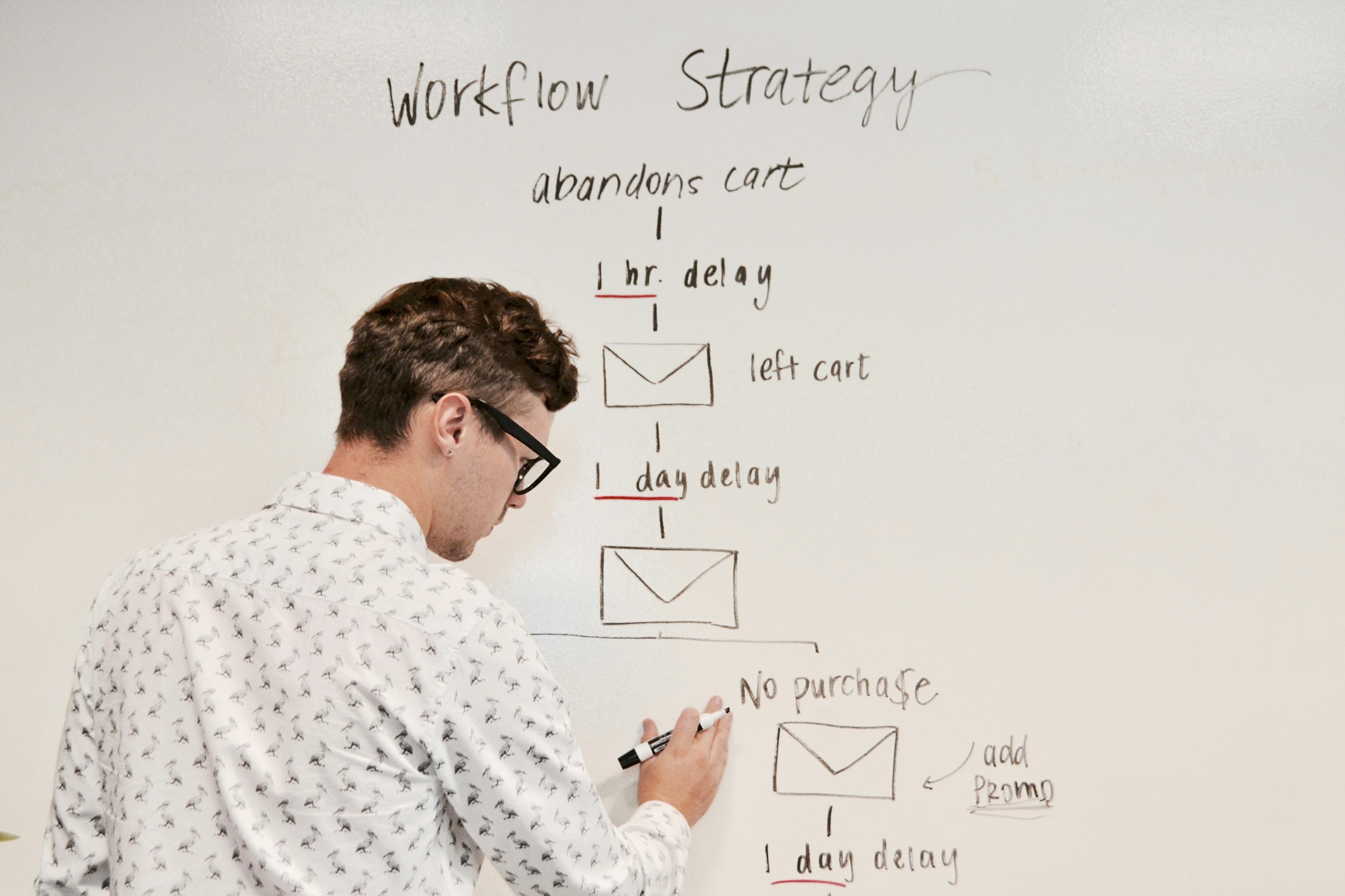
Managing complex processes that mix human work and automation is hard. Obair is built to make it straightforward — with a visual workflow designer, reliable automation, and AI-powered decision support.
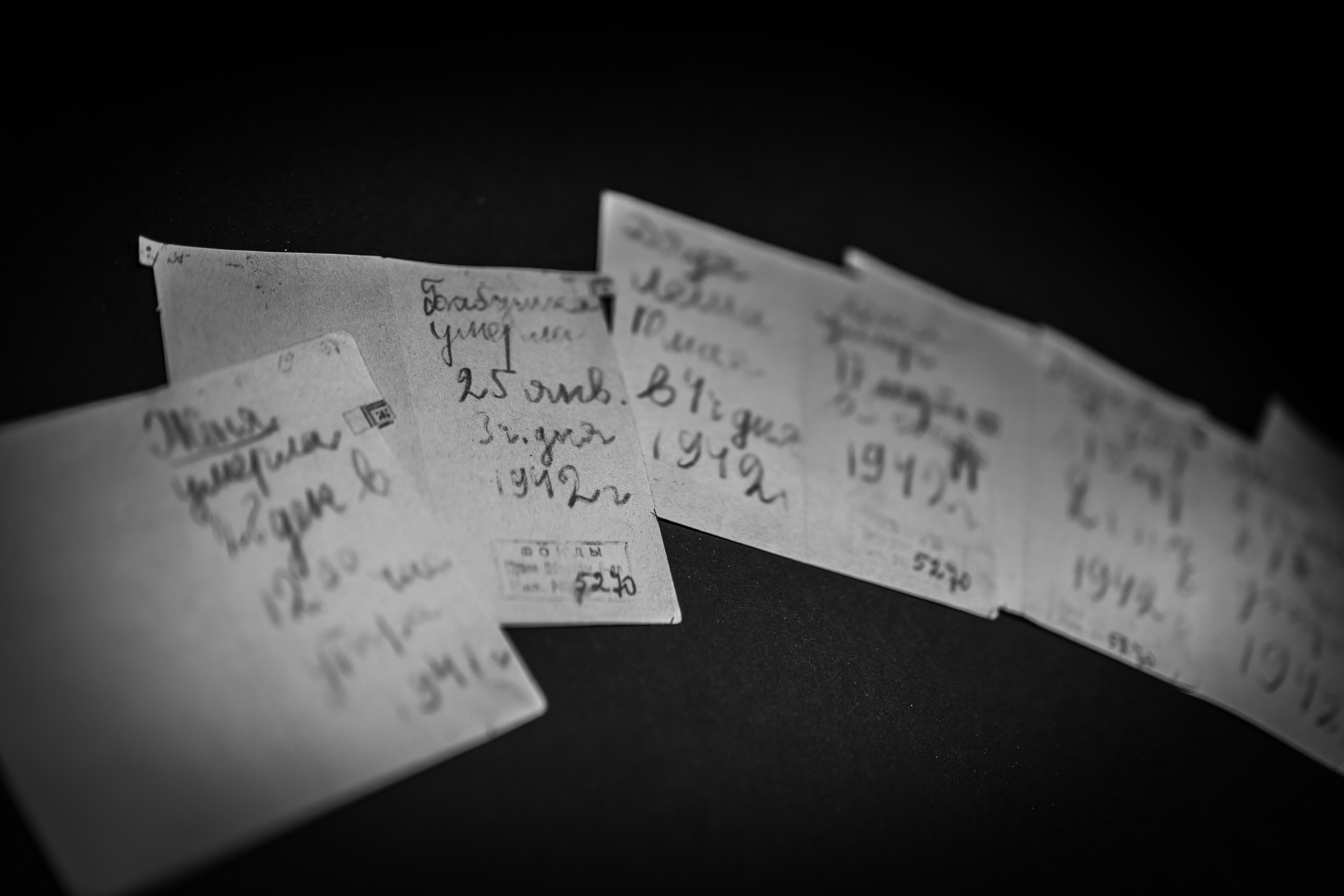
Clann now includes a built-in AI research assistant — with conversation history, note-based context, and your choice of AI provider. Here is how it works and why it changes the way you research.
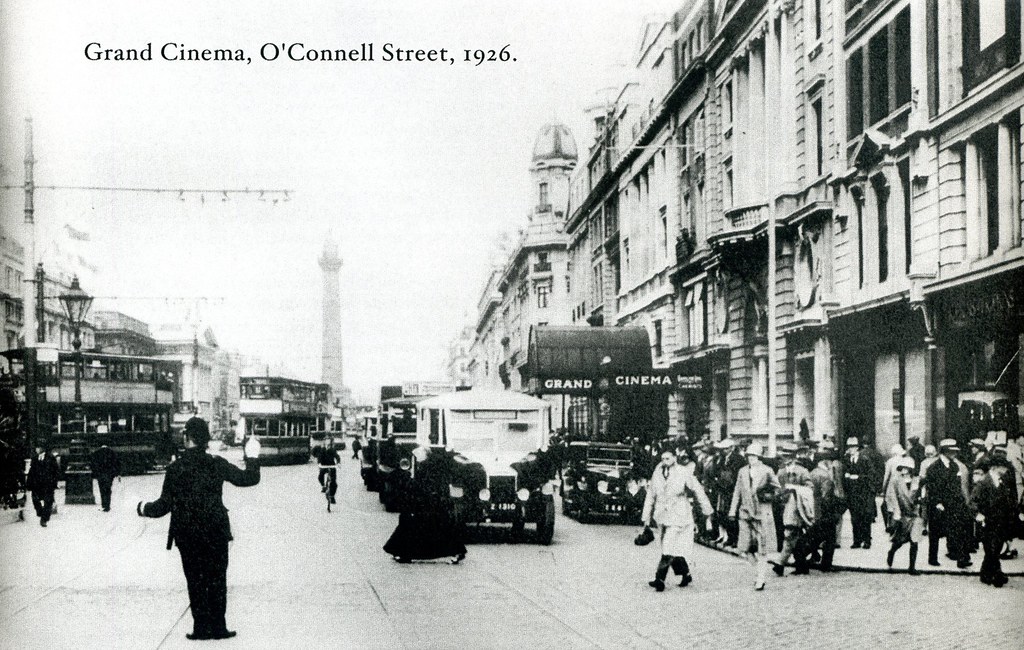
An historic milestone in Irish geneology is coming up in April 2026, with the release of the census data from the year 1926.
Whether you have a specific project in mind or are exploring what modern cultural technology looks like — the conversation starts here.